Top 5 Treks in Tirthan Valley
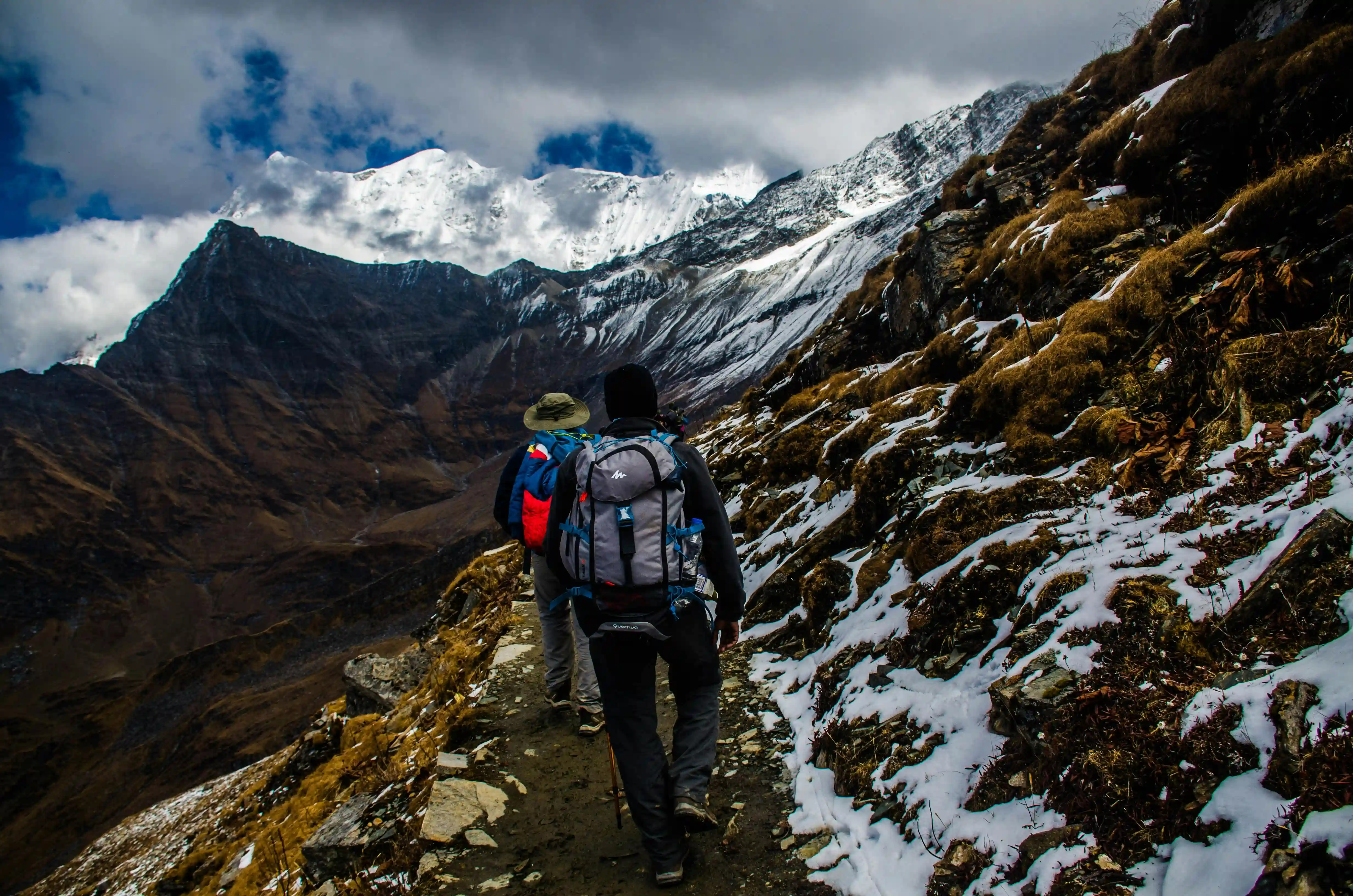
Tirthan Valley, nestled in the Kullu district of Himachal Pradesh, is one of the most rewarding trekking destinations in the Indian Himalayas. Unlike the crowded trails of Manali or Shimla, Tirthan offers pristine wilderness, untouched forests, and trails that wind through the buffer zone of the Great Himalayan National Park — a UNESCO World Heritage Site.
Whether you are a seasoned mountaineer or a first-time trekker, there is a trail here for you. Here are the top five treks that showcase the best of what this valley has to offer.
1. Tirthan Valley to Serolsar Lake Trek
Difficulty: Easy to Moderate | Distance: 5 km one way | Duration: 3-4 hours | Best Season: March to June, September to November
The trek to Serolsar Lake begins from Jalori Pass at 3,120 metres. The trail meanders through dense oak and rhododendron forests before opening up to a clearing where the sacred lake sits surrounded by reeds and towering deodars. A small wooden temple dedicated to Budhi Nagin stands at the lakeside.
This is an ideal trek for families and beginners. The path is well marked, the altitude gain is gentle, and the entire round trip can be completed in 5-6 hours. Pack a lunch and eat by the lake — the silence here, broken only by birdsong, is unforgettable.
Tips: Start early from Jalori Pass to avoid afternoon clouds. Carry at least 2 litres of water. Rubber-soled trekking shoes are sufficient for this trail.
2. Great Himalayan National Park Tirthan Trek
Difficulty: Moderate to Difficult | Distance: 40+ km | Duration: 3-5 days | Best Season: May to June, September to October
The GHNP Tirthan Trek is the flagship trek of the valley. Starting from the Gushaini entrance, the trail follows the Tirthan River deep into the national park. You will pass through dense forests of blue pine, spruce, and Himalayan birch before reaching high-altitude alpine meadows above 3,500 metres.
Wildlife sightings are common — Himalayan brown bears, musk deer, and the elusive snow leopard inhabit these forests. Over 200 species of birds have been documented along this route, making it a paradise for birdwatchers.
You must obtain a permit from the GHNP office in Sai Ropa before entering the park. Hiring a local guide is mandatory and costs around INR 1500-2000 per day. Camping equipment can be rented from shops in Gushaini.
Tips: Acclimatise for a day in Gushaini before starting. River crossings can be tricky after rain — carry trekking poles. This trek requires genuine fitness; do not attempt it without prior trekking experience.
3. Jalori Pass to Raghupur Fort Trek
Difficulty: Easy | Distance: 3 km one way | Duration: 2-3 hours | Best Season: March to November
This short but rewarding trek leads to the ruins of Raghupur Fort at approximately 3,300 metres. From the fort, on a clear day, you get a 360-degree panoramic view of the Himalayan ranges, including peaks in the Pir Panjal and Dhauladhar ranges.
The trail from Jalori Pass is broad and easy to follow. It passes through meadows dotted with wildflowers in spring and early summer. The fort itself is a stone ruin that once served as a lookout point for local rulers. This trek can be combined with the Serolsar Lake trek for a full day outing from Jalori Pass.
Tips: Mornings offer the clearest views — afternoon clouds often roll in by 2 PM. The fort is exposed and windy; carry a windproof jacket even in summer.
4. Shilt Hut Trek
Difficulty: Moderate | Distance: 8 km one way | Duration: 5-6 hours | Best Season: April to June, September to November
Shilt Hut is a forest rest house perched at about 3,100 metres inside the GHNP buffer zone. The trek starts from Gushaini and follows a steep but beautiful trail through mixed forests. The hut itself is a basic stone structure with stunning views of the surrounding peaks.
This trek offers the GHNP experience without the multi-day commitment. You can trek to the hut, spend a night (prior booking required through the forest department), and return the next morning. The trail is rich in birdlife — keep an eye out for Western Tragopan, Himalayan Monal, and various species of laughingthrush.
Tips: Book the hut well in advance during peak season. Carry your own sleeping bag and food. The trail gets slippery after rain — waterproof boots are essential.
5. Lambri Top Trek
Difficulty: Moderate | Distance: 6 km one way | Duration: 4-5 hours | Best Season: April to June, September to November
Lambri Top at approximately 3,440 metres offers one of the finest viewpoints in the Tirthan Valley region. The trek passes through dense forests of oak and walnut before emerging above the tree line into open meadows. On clear days, you can see snow-capped peaks stretching from the Pir Panjal range to the Great Himalayan range.
The trail is less frequented than others in the area, giving it a true off-the-beaten-path feel. You might encounter shepherds with their flocks of sheep during summer months. The meadows at the top are perfect for camping, though you need to be self-sufficient with food and water.
Tips: There is no water source above the tree line — carry at least 3 litres. This trek is best done with a local guide as the trail markings are sparse above the forest line.
Practical Information for All Treks
Getting there: Tirthan Valley is accessible from Delhi via Aut tunnel on NH-21. The nearest airport is Bhuntar (50 km). Buses run regularly from Delhi, Chandigarh, and Manali to Aut, from where local transport reaches the valley.
Permits: GHNP treks require permits from the park office in Sai Ropa. Cost is INR 50 for Indians, INR 200 for foreigners. Guide fees are separate.
Best time: Post-monsoon (September-November) offers the clearest views and most stable weather. Spring (March-May) brings wildflowers and pleasant temperatures. Avoid July-August due to heavy monsoon rain and leeches.
What to pack: Layered clothing, waterproof jacket, sturdy trekking shoes, trekking poles, sunscreen, first aid kit, water bottles, energy snacks, and a headlamp.
Where to stay: Base yourself in Gushaini, Nagini, or Banjar for easy access to all trailheads. Homestays cost INR 800-2500 per night including meals.