Local Cuisine of Tirthan Valley: Must-Try Himachali Dishes
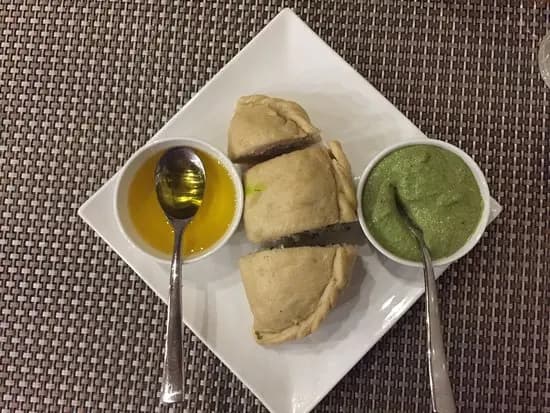
The cuisine of Tirthan Valley reflects the mountain life of Himachal Pradesh — hearty, warming, made from locally grown ingredients, and deeply connected to the seasons. Unlike the generic north Indian food served at tourist restaurants across the Himalayas, the traditional food of Tirthan Valley has a character entirely its own.
If you visit and only eat at your hotel restaurant, you will miss one of the most authentic cultural experiences the valley offers. Here is your guide to the dishes you must try, where to find them, and the food traditions that make this valley special.
Siddu — The Signature Bread
Siddu is to Tirthan Valley what momos are to Ladakh — the one dish that defines the region. It is a steamed wheat bread stuffed with a filling of poppy seeds (khus khus), walnuts, and sometimes green peas or spinach. The dough is leavened with a natural yeast starter that families maintain for generations.
Siddu is served with ghee and a tangy tomato or green chutney. The texture is soft and pillowy, the filling nutty and slightly sweet. It is traditionally a winter dish, made when families gather around the wood fire, but homestays now serve it year-round because tourists love it.
Where to eat: Almost every homestay in Gushaini and Nagini serves homemade siddu. The best versions come from home kitchens rather than restaurants. Ask your homestay host to make it — they are usually proud to share this tradition. You can also learn to make it yourself at a Himachali cooking class.
Babru — The Himachali Kachori
Babru is a deep-fried bread stuffed with soaked black gram (urad dal) paste. Think of it as the Himachali cousin of a kachori, but with a thinner, crispier shell and a more intensely spiced filling. It is served with tamarind chutney or a thick tomato-onion gravy.
Babru is a festive food, traditionally made during Dussehra, Diwali, and other celebrations. In the valley, you will find it at local dhabas and during village fairs. It is fried in mustard oil, which gives it a distinctive pungency that softens as you bite through to the creamy dal filling.
Aktori — Buckwheat Pancake
Aktori is a lesser-known gem — a sweet pancake made from buckwheat flour and jaggery, cooked slowly on a flat iron pan until the edges caramelize. It has a nutty, earthy flavor that comes from the buckwheat, which grows abundantly in the higher reaches of the valley.
Aktori is a harvest-time dish, traditionally made to celebrate the buckwheat crop. It is simple, rustic, and utterly delicious — especially when eaten warm with a cup of chai on a cold morning. You will rarely find it in restaurants; it is a home kitchen specialty that you can request at homestays.
Trout — The River's Gift
The Tirthan River is home to brown and rainbow trout, and freshly caught trout prepared in local style is arguably the finest meal you will eat in the valley. The fish is typically marinated with turmeric, salt, and red chilli, then pan-fried in mustard oil until the skin is crispy and the flesh is flaky and moist.
Some cooks stuff the trout with a paste of coriander, garlic, and green chillies before frying. Others bake it wrapped in banana leaves. However it is prepared, the key is the freshness — the trout goes from river to plate within hours.
Where to eat: Fishing camps along the Tirthan River serve the freshest trout. Many homestays in Gushaini also offer it. If you go for a guided fishing trip, your guide can arrange to cook your catch riverside.
Note: Trout fishing requires a permit from the Himachal Pradesh Fisheries Department. Your homestay host can help you arrange one.
Mittha — Sweet Rice
Mittha is a Himachali sweet dish made from rice cooked in jaggery and dried fruits. It is a festive and ceremonial dish, always present at weddings, temple offerings, and celebrations. The rice turns a deep golden brown from the jaggery, and the raisins, almonds, and cashews add richness. It is served warm, often as part of a traditional Himachali Dham feast.
The Himachali Dham Feast
Dham is the grand traditional feast of Himachal Pradesh, served on special occasions — weddings, festivals, and community gatherings. It is cooked by hereditary chefs called Botis who specialize in this cuisine. A full Dham is served on leaf plates and includes rice, dal, rajma (kidney beans), kadhi, a sweet (mittha), and sometimes a meat dish. Everything is cooked in brass vessels over wood fire, and the Boti oversees the cooking from start to finish.
You may be lucky enough to experience a Dham if you visit during a local festival or wedding. Some homestays also organize Dham meals for groups upon request — this is highly recommended.
Where to Find Authentic Food
The best food in Tirthan Valley is not in restaurants — it is in homestay kitchens. Homestay hosts cook from family recipes using locally grown ingredients: rice from the terraced fields, vegetables from the kitchen garden, spices dried on the rooftop. Eating with a local family is as much a cultural experience as a culinary one.
For restaurant meals, the small dhabas in Banjar and Gushaini bazaar serve good thalis and trout. Avoid ordering pizza or pasta at tourist cafes — the ingredients are trucked in and the results are mediocre.
Seasonal Food Calendar
- Spring (March-May): Fresh greens, stinging nettle soup (bichu ghas), wild garlic, new season's honey.
- Summer (June-August): Stone fruits — plum, peach, apricot. Fresh trout from the river. Garden vegetables.
- Autumn (September-November): Apple season, walnut harvest, buckwheat aktori, mushrooms from the forest floor.
- Winter (December-February): Siddu, dried meat, preserved pickles, root vegetables, warming dal with ghee.
Tips for Food Lovers
Book a homestay that offers home-cooked meals — this is the single best food decision you can make in Tirthan Valley. Ask to watch or help in the kitchen — most hosts welcome this. Carry some cash for roadside dhabas as many do not accept digital payments. If you have dietary restrictions, inform your homestay host in advance and they will happily accommodate.
Related Posts

June 15, 2023

April 10, 2023